


 Payment by money transfers,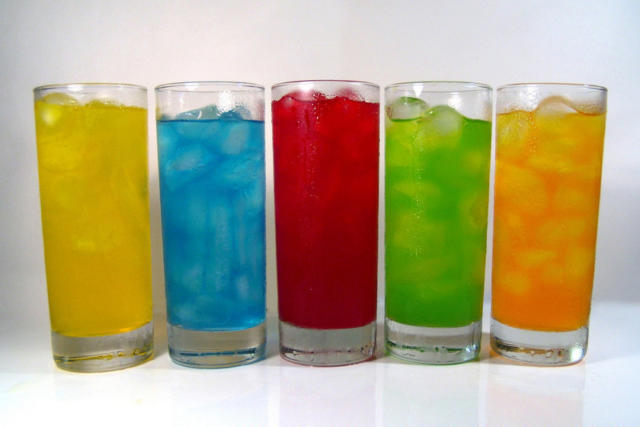
For athletes committed to long, high-intensity training sessions, water alone is often not enough. Understanding what an isotonic drink is and how to use it correctly is vital not just for peak performance, but for long-term health. This scientifically-backed supplement is a cornerstone of endurance sports, designed to preserve the body’s delicate internal balance.
The Critical Importance of Water-Salt Balance
During prolonged physical exertion, the body cools itself through sweating. However, sweat isn’t just water; it’s a mixture of fluids and essential minerals known as electrolytes.
The Danger of Electrolyte Loss
Losing electrolytes—specifically sodium, potassium, magnesium, and chlorine—can lead to severe dehydration and a disrupted water-salt balance.
-
Sodium Deficiency (Hyponatremia): This is the most dangerous consequence. It causes muscle weakness, impaired neuromuscular excitability, and painful calf cramps.
-
Severe Symptoms: In extreme cases, it leads to a drop in blood pressure, loss of consciousness, and a complete aversion to food.
Important Note: Drinking large amounts of plain water during intense sweating can actually worsen the problem. Water without electrolytes dilutes the blood, further lowering the concentration of salt in your system.
What is an Isotonic Drink?
The primary purpose of an isotonic is to restore both fluid and electrolyte levels. In medicine, these are often referred to as rehydrants. They are essential for:
-
Athletes performing high-intensity tasks.
-
Professionals working in high-heat environments.
-
Recovery after infectious diseases involving high fever or fluid loss.
Composition and Mechanism
An isotonic typically contains:
-
Salts (Electrolytes): To restore nerve and muscle function.
-
Carbohydrates (Fast Sugars): Usually around an 8% concentration to replenish muscle glycogen stores quickly.
-
Extras: Many sports brands add Vitamin C, amino acids, or energy boosters to enhance recovery.
How and When to Take Isotonics
To maximize the benefits of an isotonic drink, timing is everything:
-
Before Training: Taking a portion before a grueling session helps the body retain fluid and slows down the rate of dehydration.
-
During Training: The “Golden Rule” is to take 2–3 small sips every 1–2 sets (or every 15–20 minutes). This ensures steady absorption and continuous replacement of lost salts.
-
After Training: A final portion helps the body recover rapidly, especially if you were unable to drink enough during the workout.
Do You Actually Need an Isotonic?
While manufacturers claim everyone needs them, the scientific reality is more specific. Significant sodium loss generally occurs when:
-
Training lasts 90 minutes or longer.
-
The heart rate remains at or above 120 BPM.
-
The environment is notably hot or humid.
However, studies show that even for teenagers, using isotonics during exercise can increase endurance by nearly 25%, allowing for longer and more effective sessions.
Potential Side Effects and Risks
Isotonics should only be used when there is a physiological need.
-
Swelling: Salt retains water. If you aren’t losing enough salt, an isotonic can cause tissue edema (swelling), which is dangerous for those with hypertension.
-
Weight Loss Interference: If your goal is strictly fat loss, the “fast sugars” in isotonics can slow down your progress by providing the body with easy energy instead of burning stored fat.
-
Digestive Issues: Excess salt intake can lead to stomach upset or even paradoxical cramping.
Homemade Isotonic Recipes: Natural and Affordable
You don’t need expensive store-bought neon-colored drinks to stay hydrated. You can make effective isotonics at home using simple ingredients.
| Type | Ingredients | Preparation |
| The Simple Mix | 500ml Water + 500ml Fresh Juice + Pinch of Salt | Mix thoroughly. Ensure the juice is natural, not from a carton. |
| The Pharma-Boost | 500ml Water + 1 Sachet of Rehydron + 2 Lemons + 2 tsp Honey | Dissolve the rehydrant first, then add the honey and lemon. |
| The “Pro” Blend | 400ml Water + 200ml Juice + 3 tbsp Sugar + 2 Pinches of Salt | Closely mimics the composition of leading professional brands. |