


 Payment by money transfers,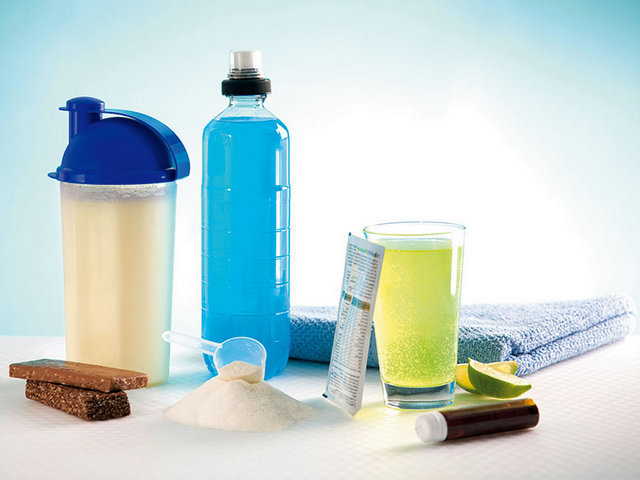
If you want to hear “horror stories” about the catastrophic side effects of protein, simply ask someone who has never stepped foot in a gym. From claims that supplements destroy male potency to myths that they turn women into “over-muscled humanoids,” the misinformation surrounding sports nutrition is endless.
Despite the global popularity of fitness, many people still react to the word “supplements” as if it were a dangerous drug. It’s time to separate fact from fiction and look at what the science actually says.
Myth #1: Sports Nutrition is Harmful to Your Health
This is the most common misconception. The confusion often stems from failing to distinguish between sports supplements and anabolic steroids.
-
Steroids are pharmaceutical hormones that interfere with physiological processes and are often banned.
-
Sports Nutrition (Protein, BCAAs, Vitamins) consists of the same nutrients found in everyday food—just in a concentrated, convenient form.
Athletes require a much higher and more balanced intake of proteins, fats, and vitamins than sedentary individuals. A high-quality protein shake provides 25–30g of protein that is pre-refined for easy absorption. Obtaining that same amount solely from whole foods can sometimes place an unnecessary digestive load on the body.
Myth #2: Protein is Just “Chemistry”
When someone says, “Protein is chemical,” they ignore the reality of modern food. Is your supermarket chicken free of hormones? Are those “fresh” vegetables free of pesticides?
In reality, protein powder is a concentrate derived from high-quality natural sources: whey (milk), soy, eggs, or beef. While flavors like chocolate or vanilla are added, these ingredients undergo strict safety and quality controls.
Myth #3: You Only Need Protein on Training Days
This myth stems from a lack of understanding of how muscles grow. Physical exercise creates micro-tears in muscle fibers; muscles actually grow and repair during rest.
If the body doesn’t receive enough protein during recovery days, muscle growth stalls, and post-workout soreness (DOMS) lasts longer and feels more intense. Protein is just as vital on your “off” days as it is on your gym days.
Myth #4: You Can’t Build Muscle Without Supplements
While protein makes life easier, it is not a “magic pill.” You can achieve impressive results through a meticulously balanced diet of whole foods, proper training, and sleep.
Supplements are exactly what the name implies: supplements. The rule is simple: Whole food first, supplements only when necessary to meet your nutritional gaps.
Myth #5: Protein is Only for Professional Bodybuilders
Protein and “biolók” (the Slavic word for protein) are the same thing. Everyone needs protein to prevent muscle wasting. If you struggle to eat enough meat, cottage cheese, or eggs, a shake is a perfect tool—regardless of your athletic level.
For women, protein will not make you look like a Miss Olympia contestant. Instead, it helps create a toned, lean physique. Furthermore, for those with a sweet tooth, a low-carb protein shake is a delicious way to satisfy cravings without the sugar crash.
Myth #6: More Supplements Equal More Muscle
Manufacturers want you to believe this to increase sales. While amino acids, gainers, and fat burners help you reach goals faster, they are useless without intensity in the gym, a proper diet, and rest. You cannot out-supplement a poor work ethic.
Myth #7: Sports Nutrition is Too Expensive
Quality supplements aren’t cheap, but neither is quality food. When calculating the cost of a tub of protein, compare it to the price of an equivalent amount of chicken breast, beef, or fresh fish.
More importantly, consider the long-term cost. Investing in high-quality nutrition and vitamins today is significantly cheaper than the medical bills associated with poor health and nutrient deficiencies later in life.
Whole Food vs. Protein Supplement
| Feature | Whole Food (e.g., Chicken/Beef) | Protein Supplement (Whey/Isolate) |
| Digestion Speed | Slow (2–4 hours) | Fast (30–60 minutes) |
| Convenience | Requires cooking/storage | Instant (just add water) |
| Purity | Contains fats/connective tissue | High purity; minimal fats/carbs |
| Cost per Gram | Moderate | Comparable (often cheaper per gram) |
Final Takeaway
Don’t let outdated prejudices stop you from reaching your goals. Supplements like protein and BCAA are tools designed for modern life—helping you stay energized and fit in a busy world. Choose quality brands, follow the recommended dosage, and enjoy the journey to a stronger, healthier body.