


 Payment by money transfers,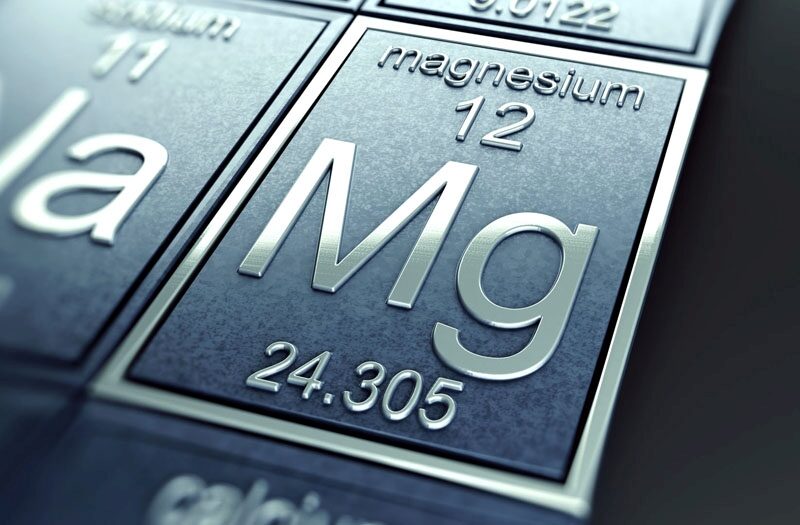
While macronutrients like carbohydrates, proteins, and fats often take center stage in discussions about athletic performance and recovery, micronutrients play an equally vital, albeit often less heralded, role. Among these essential minerals, magnesium stands out for its involvement in a vast array of physiological processes critical for athletes. From energy production and muscle function to nerve transmission and recovery, adequate magnesium intake is paramount for optimizing athletic performance, preventing injuries, and maintaining overall well-being. This article delves into the multifaceted role of magnesium in an athlete’s diet, highlighting its importance, exploring food sources, and providing practical advice for ensuring sufficient intake.
Understanding Magnesium and Its Diverse Functions in the Body
Magnesium (Mg) is an essential mineral, meaning the body cannot produce it on its own and must obtain it through dietary sources or supplementation. It is the fourth most abundant mineral in the human body and is involved in over 300 enzymatic reactions, making it a crucial player in numerous physiological processes, many of which are directly relevant to athletic performance:
- Energy Production (ATP Synthesis): Magnesium is essential for the production of adenosine triphosphate (ATP), the primary energy currency of the cell. It helps stabilize ATP molecules, making energy readily available for muscle contractions and other metabolic processes.
- Muscle Contraction and Relaxation: Magnesium plays a critical role in both muscle contraction and relaxation. Calcium is necessary for muscle fibers to contract, while magnesium helps to counteract calcium’s effect, allowing muscles to relax. This balance is vital for efficient movement, preventing cramps, and ensuring proper muscle function.
- Nerve Function and Neurotransmission: Magnesium is involved in the transmission of nerve impulses and the regulation of neurotransmitters. Adequate levels are crucial for proper nerve signaling, coordination, and reaction time – all essential for athletic performance.
- Protein Synthesis: Magnesium is required for the synthesis of proteins, the building blocks of muscle tissue. This is particularly important for athletes aiming to build and repair muscle mass after training.
- Blood Glucose Control and Insulin Sensitivity: Magnesium plays a role in regulating blood glucose levels and improving insulin sensitivity. This is important for maintaining stable energy levels and optimizing nutrient utilization.
- Bone Health: Magnesium is a key component of bone structure and contributes to bone mineral density, helping to prevent stress fractures and maintain skeletal integrity in athletes who put significant stress on their bones.
- Electrolyte Balance: Magnesium, along with other electrolytes like sodium, potassium, and calcium, is crucial for maintaining fluid balance and proper nerve and muscle function, especially during prolonged and intense exercise where electrolyte loss through sweat can be significant.
- DNA and RNA Synthesis: Magnesium is involved in the synthesis of DNA and RNA, the genetic material of the body, which is essential for cell growth and repair.
- Antioxidant Defense: Magnesium plays a role in the body’s antioxidant defense system, helping to protect cells from damage caused by free radicals produced during intense exercise.
Why Magnesium is Particularly Important for Athletes
Athletes, due to their increased physical activity and metabolic demands, often have higher magnesium requirements compared to sedentary individuals. Several factors contribute to this increased need:
- Increased Loss Through Sweat: During exercise, especially in hot and humid conditions, athletes lose significant amounts of electrolytes, including magnesium, through sweat.
- Increased Urinary Excretion: Intense physical activity can also lead to increased urinary excretion of magnesium.
- Increased Utilization for Energy Production and Muscle Function: The high energy demands and increased muscle activity in athletes necessitate a greater utilization of magnesium for ATP synthesis and muscle contraction/relaxation.
- Inflammation and Recovery: Magnesium plays a role in regulating the inflammatory response and aiding in muscle recovery after strenuous exercise. Inadequate magnesium may hinder the recovery process.
- Stress and Cortisol Levels: Intense training can be a physical and psychological stressor, potentially leading to increased cortisol levels, which can further deplete magnesium stores.
Signs and Symptoms of Magnesium Deficiency in Athletes
Magnesium deficiency, also known as hypomagnesemia, can manifest in various ways, negatively impacting athletic performance and overall health. Some common signs and symptoms in athletes may include:
- Muscle Cramps and Spasms: One of the most well-known signs of magnesium deficiency, particularly during or after exercise.
- Muscle Weakness and Fatigue: Inadequate magnesium can impair energy production and muscle function, leading to feelings of weakness and fatigue.
- Poor Recovery: Magnesium is crucial for muscle repair and reducing inflammation. Deficiency can slow down the recovery process after intense training.
- Increased Risk of Injury: Magnesium’s role in bone health and muscle function may mean that deficiency increases the risk of stress fractures and muscle strains.
- Irregular Heartbeat (Arrhythmia): Magnesium is involved in regulating heart rhythm. Severe deficiency can lead to potentially dangerous arrhythmias.
- Sleep Disturbances: Magnesium plays a role in regulating neurotransmitters involved in sleep. Low levels can contribute to insomnia and poor sleep quality.
- Anxiety and Irritability: Magnesium has calming effects on the nervous system. Deficiency may manifest as increased anxiety and irritability.
- Headaches: Some studies have linked magnesium deficiency to an increased incidence of headaches, including exercise-induced headaches.
- Nausea and Loss of Appetite: In more severe cases, magnesium deficiency can lead to gastrointestinal issues.
It’s important to note that these symptoms can be non-specific and may have other underlying causes. A blood test (serum magnesium) can help assess magnesium levels, although it may not always accurately reflect intracellular magnesium stores, which are more relevant for many of magnesium’s functions.
Dietary Sources of Magnesium for Athletes
Ensuring adequate magnesium intake through diet should be the primary goal for athletes. A variety of whole, unprocessed foods are rich in this essential mineral:
Leafy Green Vegetables: Spinach, kale, collard greens, and Swiss chard are excellent sources of magnesium.
- Example: A cup of cooked spinach provides approximately 157 mg of magnesium.
Nuts and Seeds: Almonds, cashews, pumpkin seeds, chia seeds, and flax seeds are good sources.
- Example: An ounce of almonds contains about 76 mg of magnesium.
Legumes: Beans (black, kidney, navy), lentils, chickpeas, and soybeans are rich in magnesium and protein.
- Example: A cup of cooked black beans provides around 120 mg of magnesium.
Whole Grains: Brown rice, quinoa, oats, and whole-wheat bread contain magnesium.
- Example: A cup of cooked quinoa provides approximately 118 mg of magnesium.
Dark Chocolate (70% cacao or higher): A delicious source of magnesium and antioxidants.
- Example: An ounce of dark chocolate (70-85%) can contain around 64 mg of magnesium.
Fatty Fish: Salmon, mackerel, and tuna contain moderate amounts of magnesium and omega-3 fatty acids.
- Example: A 3-ounce serving of cooked salmon provides about 22 mg of magnesium.
Avocados: A creamy fruit rich in healthy fats, potassium, and magnesium.
- Example: One medium avocado contains approximately 58 mg of magnesium.
Bananas: A convenient source of potassium and also contains some magnesium.
- Example: One medium banana provides about 32 mg of magnesium.
Practical Tips for Athletes to Optimize Magnesium Intake Through Diet
- Prioritize Whole, Unprocessed Foods: Base your diet on a variety of magnesium-rich whole foods rather than relying on processed options.
- Include Leafy Greens Daily: Incorporate spinach, kale, or other leafy greens into salads, smoothies, or cooked dishes.
- Snack on Nuts and Seeds: Keep a mix of almonds, cashews, and pumpkin seeds readily available for healthy snacks.
- Make Legumes a Regular Part of Meals: Add lentils to soups, chickpeas to salads, or enjoy black bean burgers.
- Choose Whole Grains Over Refined Grains: Opt for brown rice, quinoa, and whole-wheat bread instead of white rice and white bread.
- Enjoy Dark Chocolate in Moderation: A square or two of high-quality dark chocolate can be a satisfying and magnesium-rich treat.
- Be Mindful of Food Processing: Processing can reduce the magnesium content of foods. Opt for minimally processed options whenever possible.
Magnesium Supplementation for Athletes: When and How?
While obtaining magnesium through diet should be the primary focus, some athletes may benefit from magnesium supplementation, particularly if they struggle to meet their needs through food alone or have identified a deficiency.
- Considerations for Supplementation:
- High Training Volume and Intensity: Athletes undergoing intense training may have increased magnesium losses and requirements.
- Hot and Humid Environments: Increased sweating in these conditions can lead to greater magnesium depletion.
- Dietary Restrictions: Athletes following very restrictive diets may not be consuming enough magnesium-rich foods.
- Symptoms of Deficiency: If an athlete experiences persistent muscle cramps, fatigue, or other symptoms suggestive of magnesium deficiency, supplementation under medical guidance may be warranted.
- Poor Sleep Quality: Magnesium’s role in sleep regulation may make supplementation beneficial for athletes with sleep disturbances.
- Forms of Magnesium Supplements: Various forms of magnesium supplements are available, and their bioavailability (the extent to which the body can absorb and utilize them) can differ:
- Magnesium Citrate: Generally well-absorbed and often used for its laxative effects.
- Magnesium Oxide: Contains a high percentage of elemental magnesium but is often poorly absorbed.
- Magnesium Glycinate: Bound to the amino acid glycine, often reported to have good bioavailability and gentler on the stomach.
- Magnesium Malate: Bound to malic acid, may be beneficial for energy production and muscle pain.
- Magnesium Chloride: Can be absorbed well and is also available in topical forms (e.g., magnesium oil, Epsom salt baths).
- Magnesium Lactate: Another well-absorbed form.
- Dosage and Timing: The Recommended Dietary Allowance (RDA) for magnesium for adults ranges from 310 to 420 mg per day. Athletes may require higher amounts. It’s crucial to consult with a healthcare professional or registered dietitian to determine an appropriate dosage and form of magnesium supplement based on individual needs and circumstances. Taking magnesium supplements close to bedtime may help improve sleep quality.
- Caution and Potential Side Effects: High doses of magnesium supplements can cause gastrointestinal issues such as diarrhea. It’s important to start with a low dose and gradually increase as tolerated. Magnesium supplements can also interact with certain medications, so it’s essential to inform your doctor about any supplements you are taking.
The Synergy of Magnesium with Other Nutrients
Magnesium interacts with other nutrients in the body, and maintaining a balanced intake of these nutrients is also important for athletes:
- Calcium: Magnesium and calcium work together in muscle contraction and relaxation. An imbalance in the ratio of these minerals may contribute to muscle cramps.
- Vitamin D: Vitamin D helps the body absorb magnesium. Adequate vitamin D levels are important for optimizing magnesium utilization.
- Potassium and Sodium: These electrolytes, along with magnesium, are crucial for fluid balance and nerve function, especially during and after exercise.
Magnesium is an indispensable mineral for athletes, playing a pivotal role in energy production, muscle function, nerve transmission, recovery, and overall health. Due to increased losses and utilization, athletes often have higher magnesium requirements than sedentary individuals. Ensuring adequate intake through a diet rich in leafy greens, nuts, seeds, legumes, and whole grains should be the primary strategy. Magnesium supplementation may be considered in certain situations, but it’s crucial to consult with a healthcare professional to determine the appropriate form, dosage, and timing. By recognizing the unsung hero that is magnesium and prioritizing its intake, athletes can optimize their performance, enhance recovery, and support their long-term health and well-being.