


 Payment by money transfers,
In the world of sports nutrition, protein powders, creatine, and BCAAs often take center stage. However, omega-3 fatty acids—an essential type of fat—play a powerful and often underestimated role in athletic performance, recovery, and overall health.
Whether you’re a professional athlete, fitness enthusiast, or someone just beginning a training regimen, integrating omega-3s into your sports diet can lead to significant improvements in both short-term results and long-term wellness. In this article, we’ll explore what omega-3s are, their benefits for athletes, best sources, how to supplement effectively, and practical tips for daily use.
What Are Omega-3 Fatty Acids?
Omega-3 fatty acids are a type of polyunsaturated fat essential for many physiological functions. The human body cannot produce them on its own, so they must be obtained through diet or supplementation.
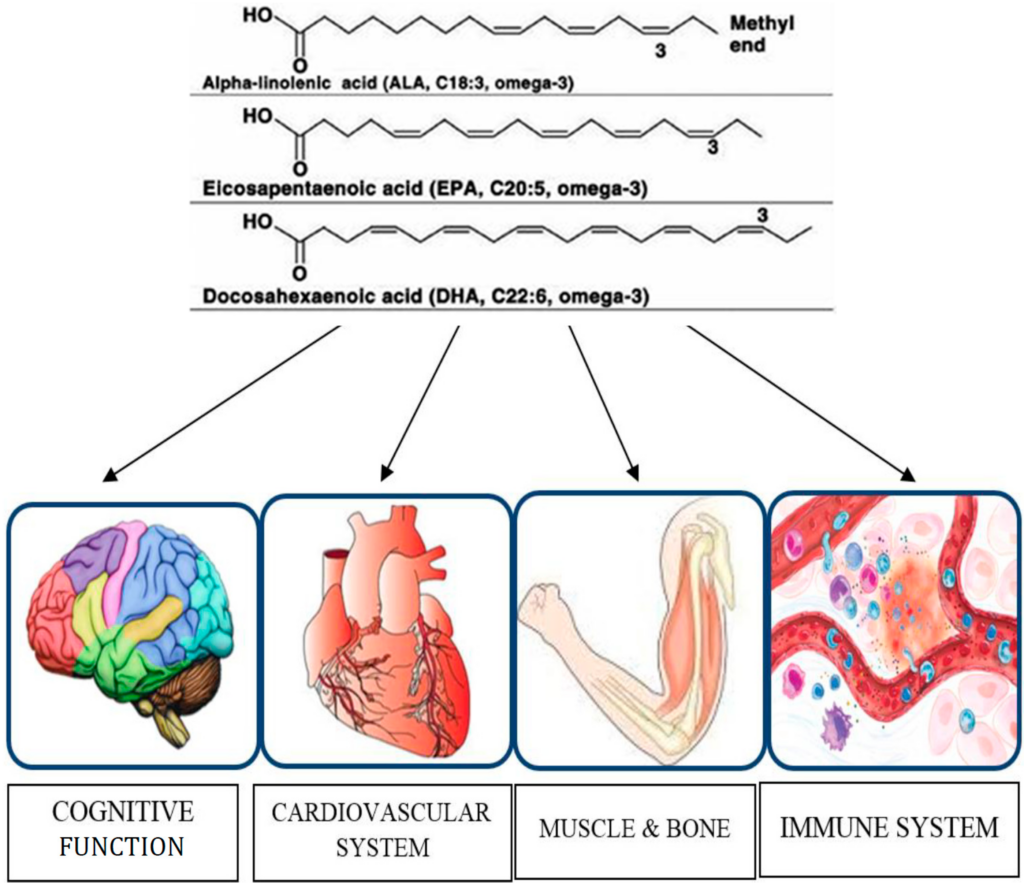
There are three main types of omega-3s:
-
ALA (Alpha-linolenic acid) – found in plant sources like flaxseed, chia, and walnuts.
-
EPA (Eicosapentaenoic acid) – found in fatty fish like salmon and sardines.
-
DHA (Docosahexaenoic acid) – also found in fish and algae; crucial for brain and eye health.
EPA and DHA are considered the most biologically active and beneficial for athletes.
Why Omega-3s Matter in Sports Nutrition
Athletes put their bodies under physical stress. Omega-3s help manage inflammation, enhance performance, and accelerate recovery, making them an essential nutrient for any sports diet.
✅ Key Benefits of Omega-3s for Athletes:
-
Reduced Inflammation & Muscle Soreness
-
Improved Joint Health & Mobility
-
Enhanced Endurance and Oxygen Efficiency
-
Better Muscle Recovery
-
Improved Cognitive Function and Reaction Time
-
Boosted Immune Function
-
Support for Heart and Cardiovascular Health
Let’s explore these benefits in more detail.
1. Reduced Inflammation & Muscle Soreness
Exercise—especially high-intensity or resistance training—causes microscopic muscle damage. This leads to delayed onset muscle soreness (DOMS) and inflammation.
How Omega-3s Help:
-
EPA and DHA inhibit the production of pro-inflammatory cytokines.
-
They support a faster inflammatory resolution process.
-
Help reduce the intensity and duration of post-workout soreness.
A 2018 study found that athletes who consumed omega-3s had significantly reduced muscle soreness 48 hours post-training.
2. Joint Health & Mobility
Joint health is a common concern for athletes, especially those involved in repetitive motion sports like running, cycling, or weightlifting.
Benefits:
-
Omega-3s act as natural lubricants for joints.
-
Help reduce symptoms of arthritis and stiffness.
-
Improve range of motion and mobility.
️ For aging athletes or those recovering from injury, omega-3s can be a protective tool.
3. Cardiovascular and Endurance Benefits
Omega-3s support heart health, which is crucial for endurance athletes and anyone doing prolonged aerobic activity.
Effects:
-
Lower resting heart rate
-
Improved oxygen delivery to muscles
-
Enhanced blood flow and circulation
-
Lower triglycerides and better cholesterol profiles
Cyclists and runners may notice increased stamina and lower perceived exertion during cardio.
4. Faster Muscle Recovery and Growth
By reducing inflammation and oxidative stress, omega-3s support faster muscle repair after workouts. They may also enhance muscle protein synthesis when paired with protein.
Key Findings:
-
Increase anabolic response to amino acids.
-
Improve muscle mass preservation, especially during calorie deficits.
Combining omega-3s with post-workout meals can support lean muscle gains.
5. Enhanced Mental Performance & Focus
Athletes need mental clarity, fast reaction times, and emotional control under pressure.
DHA benefits brain function by:
-
Supporting neuronal communication
-
Enhancing focus and decision-making
-
Reducing mental fatigue and anxiety
Studies show DHA supplementation can improve reaction speed in athletes, which is vital in competitive environments.
6. Stronger Immune System
Intense training can temporarily suppress the immune system, increasing the risk of illness.
Omega-3s:
-
Help modulate immune responses
-
Reduce inflammation in the gut (where 70% of the immune system resides)
-
Support white blood cell function
This makes omega-3s a great complement to immune-supporting nutrients like vitamin C and zinc.
Best Food Sources of Omega-3s
Whole foods remain the most natural and nutrient-dense way to get omega-3s. Here are the top choices:
Animal-Based (Rich in EPA and DHA)
-
Salmon (especially wild-caught)
-
Mackerel
-
Sardines
-
Herring
-
Tuna (limit due to mercury)
Plant-Based (Rich in ALA)
-
Flaxseeds (ground)
-
Chia seeds
-
Walnuts
-
Hemp seeds
-
Brussels sprouts
While ALA has health benefits, it converts inefficiently into EPA/DHA. Vegans may benefit from algae-based omega-3 supplements.
Should You Supplement?
For athletes who don’t consume fish regularly or need higher omega-3 doses for recovery, supplements can be a smart solution.
What to Look for in a Quality Supplement:
-
Minimum of 500–1000 mg EPA+DHA per day
-
Third-party tested for purity and heavy metals
-
Enteric coating to avoid fishy aftertaste
-
Sourced from wild-caught fish or algae
Top Forms:
-
Fish Oil Capsules
-
Krill Oil (better absorption)
-
Algae Oil (vegan-friendly)
Best taken with meals to improve absorption.
How to Incorporate Omega-3s into a Sports Diet
Daily Routine:
| Time | Omega-3 Strategy |
|---|---|
| Breakfast | Chia pudding, flax in oatmeal |
| Lunch | Salmon salad or sardine toast |
| Snack | Walnuts or omega-3 bar |
| Dinner | Grilled mackerel or tuna wrap |
| Supplement | Fish oil capsule with meals |
Tips:
-
Rotate sources to avoid monotony.
-
Combine omega-3s with antioxidant-rich foods (berries, spinach).
-
Stay consistent for long-term benefits.
Real-World Example
Laura, 32, is a competitive CrossFit athlete. She experienced frequent joint pain, brain fog after workouts, and extended soreness.
She added:
-
3 servings of salmon per week
-
1000 mg daily EPA/DHA supplement
-
Chia seeds in smoothies
Results within 4 weeks:
-
Reduced joint stiffness
-
Sharper focus during competitions
-
Faster recovery between workouts
Omega-3s became a core part of her supplement stack alongside protein, creatine, and magnesium.
Omega-3 fatty acids are far more than just a heart-health supplement — they are a foundational part of a well-balanced, performance-driven sports diet. Whether you’re training for strength, endurance, or longevity, omega-3s can help you train harder, recover faster, and stay mentally sharp.
In Summary:
-
Omega-3s reduce inflammation, soreness, and injury risk
-
They enhance brain function, endurance, and immune health
-
Both food sources and supplements can support your goals
-
Consistency and quality matter — build them into your daily routine
Fuel your performance with the power of essential fats. Omega-3s may be the missing piece in your training puzzle.