


 Payment by money transfers,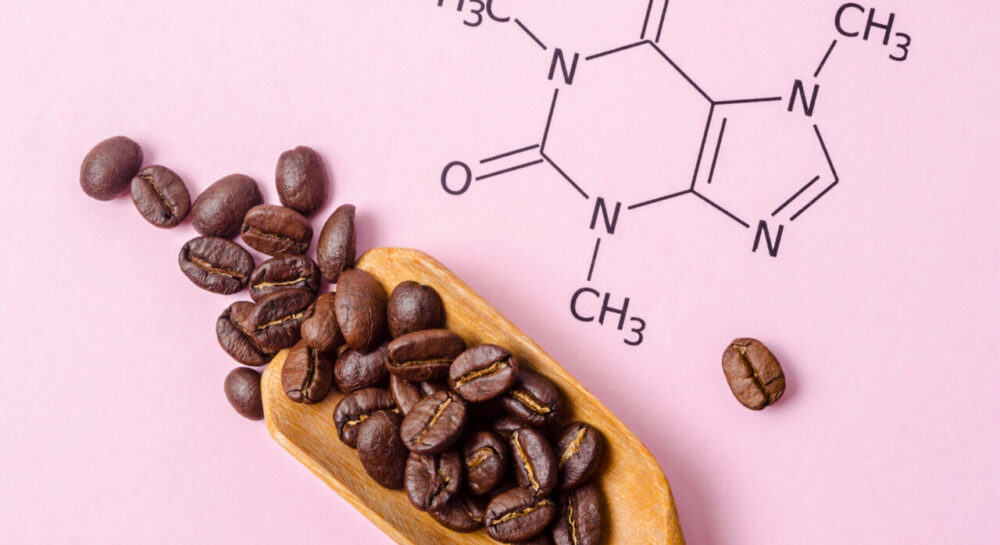
Caffeine, a naturally occurring stimulant found in various plants, has become a staple in the world of sports nutrition. Athletes and fitness enthusiasts alike have long recognized its potential to enhance performance, boost energy levels, and improve focus. But what exactly is the role of caffeine in a sports diet? This exploration will delve into the biochemical effects of caffeine, its benefits for athletes, optimal consumption methods, and potential drawbacks.
The Biochemistry of Caffeine
Caffeine, chemically known as 1,3,7-trimethylxanthine, primarily affects the central nervous system. When consumed, it is rapidly absorbed into the bloodstream and transported to the brain, where it acts as an antagonist to adenosine receptors. Adenosine is a neurotransmitter that promotes relaxation and sleepiness; by blocking these receptors, caffeine effectively increases alertness and reduces perceived fatigue.
In addition to its effects on the brain, caffeine also influences several physiological processes that are crucial for athletic performance:
- Increased Fat Oxidation: Caffeine stimulates the mobilization of fatty acids from adipose tissue, making them available for energy production during exercise.
- Enhanced Muscle Contraction: It can improve neuromuscular function, leading to more effective muscle contractions.
- Improved Endurance: Studies have shown that caffeine can increase time to exhaustion during prolonged exercise, making it a popular choice for endurance athletes.
Benefits for Athletes
The benefits of caffeine in sports nutrition are well-documented and supported by numerous scientific studies. Here are some key advantages:
1. Enhanced Physical Performance
Research indicates that caffeine can improve both aerobic and anaerobic performance. A meta-analysis of various studies found that caffeine consumption leads to an average improvement of 3-4% in performance in endurance activities, such as running and cycling. This enhancement is attributed to both increased energy availability and improved mental focus.
2. Improved Mental Focus
Caffeine has been shown to enhance cognitive function, including attention, reaction time, and decision-making. For athletes, this means better concentration during training and competition, which can ultimately lead to improved performance.
3. Delay in Fatigue
One of the most significant benefits of caffeine is its ability to delay the onset of fatigue. By reducing the perception of effort, athletes can push themselves harder and longer, leading to better workout sessions and competition outcomes.
4. Weight Management
Caffeine can also play a role in weight management, as it may help to increase metabolic rate and promote fat oxidation. For athletes looking to maintain or lose weight, incorporating caffeine into their diet can be beneficial.
Optimal Consumption Methods
To reap the benefits of caffeine, athletes need to consider how and when to consume it. Here are some effective strategies:
1. Timing
Caffeine is most effective when consumed 30-60 minutes before exercise. This timing allows for optimal absorption and peak performance enhancement during the workout.
2. Dosage
The recommended dose of caffeine varies among individuals, but studies suggest that 3-6 mg per kilogram of body weight is effective for enhancing performance. For example, a 70 kg athlete would benefit from 210-420 mg of caffeine. It’s essential to start with lower doses to assess individual tolerance.
3. Sources
Caffeine can be consumed through various sources:
- Coffee: A popular choice, providing approximately 95 mg of caffeine per cup.
- Tea: Generally has less caffeine than coffee, with around 30-50 mg per cup.
- Energy Drinks: These can vary widely in caffeine content, so athletes should check labels carefully.
- Caffeine Supplements: Available in pill or powder form, these offer precise dosing and quick absorption.
Potential Drawbacks
While caffeine can offer numerous benefits, it’s essential to be aware of potential drawbacks:
1. Side Effects
Excessive caffeine consumption can lead to side effects such as jitteriness, anxiety, insomnia, and gastrointestinal disturbances. Athletes should find a balance that maximizes benefits while minimizing adverse effects.
2. Tolerance and Dependence
Regular caffeine use can lead to tolerance, meaning that over time, the same amount of caffeine may produce diminished effects. Some athletes may also develop a psychological dependence on caffeine, feeling they cannot perform without it.
3. Dehydration
Caffeine has diuretic properties, which can lead to increased urine production and potential dehydration. Athletes should ensure they stay properly hydrated, especially during intense workouts.
Caffeine plays a multifaceted role in sports nutrition, offering athletes a powerful tool to enhance performance, improve focus, and delay fatigue. With its ability to increase physical output and mental clarity, it’s no wonder that caffeine is a favored ergogenic aid among athletes of all levels. However, moderation and individual tolerance are key to maximizing its benefits while minimizing potential downsides.
Incorporating caffeine into a sports diet should be done thoughtfully, considering timing, dosage, and personal response. As the world of sports nutrition continues to evolve, caffeine remains a prominent player, fueling athletes in their quest for excellence. Whether you’re a seasoned competitor or a casual gym-goer, understanding the role of caffeine can help you unlock your full potential.